
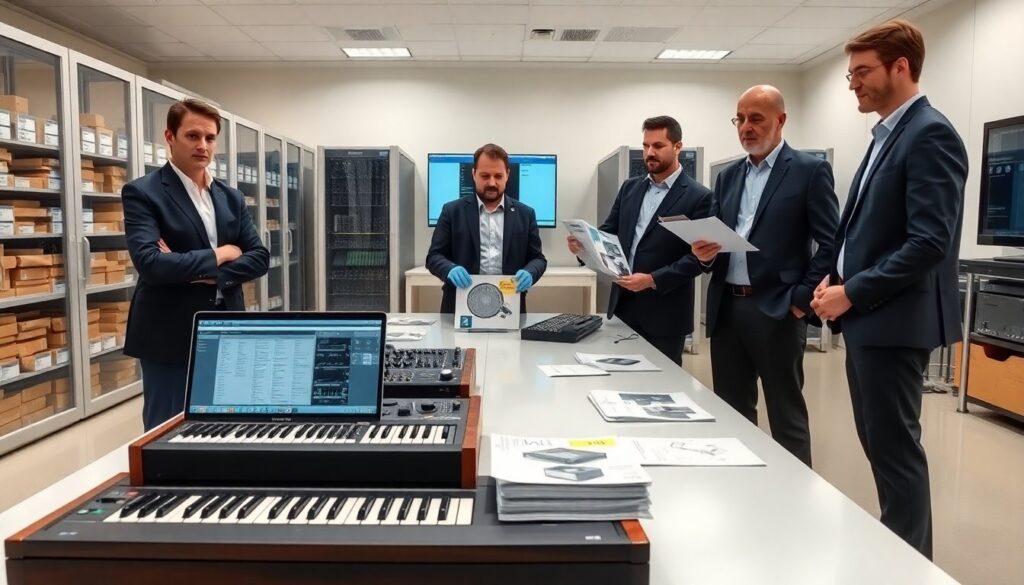
Music technology archives prositesite collects hardware, software, and documentation. It stores source audio, schematics, and user manuals. The archive serves historians, engineers, and artists. The index supports search, preview, and licensed reuse. The site updates records with verified metadata. The project aims to keep sound tools and knowledge accessible for future study and creative work.
Key Takeaways
- Music technology archives like ProSiteSite preserve a wide range of hardware, software, and documentation to support historical and creative research.
- ProSiteSite uses thorough curation methods including controlled vocabularies and metadata audits to ensure reliable and interconnected collections.
- The archive offers searchable access with clear licensing and rights management to facilitate lawful reuse and derivative works by educators, creators, and researchers.
- Preservation strategies combine bit-level integrity with functional emulation to maintain both physical and digital usability of sound tools and formats.
- Researchers and creators are encouraged to use detailed search filters, respect licenses, cite records properly, and contribute improvements to enhance the archive’s accuracy and accessibility.
- ProSiteSite fosters community collaboration through forums and project proposals to prioritize digitization and maintain the archive’s long-term relevance.
What Music Technology Archives Are And Why They Matter
Music technology archives prositesite catalogs devices, recordings, software, and paperwork. The archive stores analog gear photos, digital installers, and oral histories. Curators tag items with date, maker, format, and function. Researchers use the tags to find examples of synthesis, sampling, and live processing. Conservators document condition and recommend storage or migration actions. The archive preserves source code and firmware alongside physical units. That approach helps developers reproduce vintage behavior for study or performance. The archive supports cultural research by linking artists, studios, and label histories. It also supports technical study by keeping schematics and test notes. The public benefits when schools and creators access playable examples. The archive prevents orphaned formats from disappearing. That outcome keeps knowledge available for repair, recreation, and reinterpretation.
How ProSiteSite Organizes And Curates Music Technology Collections
ProSiteSite curates collections with a consistent schema. The team applies controlled vocabularies for instrument type, signal path, and era. They record provenance, ownership history, and acquisition method. The site groups items into collections by manufacturer, studio, genre, and project. Catalogers attach high-resolution images, test audio, and checksum-verified files. They transcribe manuals and annotate screenshots with key parameter maps. The archive links related items so users see, for example, a synth, its manuals, and a studio session recording. ProSiteSite uses public identifiers to connect to external catalogs. That method helps users cross-check citations and rights. The team runs regular audits to fix metadata gaps and update file formats. They also add curator notes that explain unusual behavior or common failure modes. The site ranks records by research value, rarity, and condition to guide prioritization. Volunteers and partner institutions contribute scans and oral interviews. ProSiteSite validates contributions with a peer review step. The process reduces errors and keeps the catalog reliable.
Access, Preservation, And Practical Use: Searching, Rights, And Reuse
ProSiteSite provides layered access for casual users and credentialed researchers. The search returns faceted results for format, date, and maker. Users preview audio and view high-resolution images in the browser. The archive offers export packages for research, with checksums and format notes. Preservation follows two parallel paths: bit-level integrity and functional preservation. The team stores multiple copies in geographically separated vaults. They also capture system images and emulator profiles to reproduce behavior. Rights metadata sits with each record. ProSiteSite tags items with known licenses, copyright statements, and contact points. The team negotiates use agreements for restricted items. They offer standard licenses for audio clips and research excerpts. The site provides clear reuse guidelines for educators, creators, and commercial users. That clarity cuts friction and speeds lawful reuse. ProSiteSite supports derivative work by supplying stem exports, parameter logs, and session notes where possible. Those materials let artists sample or restore sounds without blind guessing. The team maintains a request workflow for material use outside set licenses. Researchers can request high-resolution or raw files. Rights specialists review requests and supply cleared files or deny use with a reason. The archive records all requests to build a reproducible rights audit trail.
Best Practices For Researchers And Creators Working With ProSiteSite Archives
Search with specific terms and filters to save time. They should use device model numbers, file formats, or session dates. They should check provenance and rights fields before downloading. They should request higher fidelity files when analysis requires it. They should cite ProSiteSite records using the provided persistent identifiers. They should log any changes they make to copied files and share those logs back with the archive. They should follow the archive license when they reuse audio or schematics. They should contact the rights team for commercial projects. They should contribute corrections and additional documentation when they find gaps. They should upload verified checksums and source notes to help future users. Creators should prefer to use exported stems and documented parameter lists for sampling. They should avoid undocumented hardware hacks in published work without permission. They should respect embargoes on sensitive collections. They should apply for research credentials when they need restricted access. They should propose collaboration projects to digitize at-risk materials. That work helps ProSiteSite prioritize preservation tasks. They should join community forums to share usage tips and reproducible workflows. The archive benefits when users return cleaned metadata, error reports, and usage reports. That exchange improves access and keeps the collection useful for everyone.