
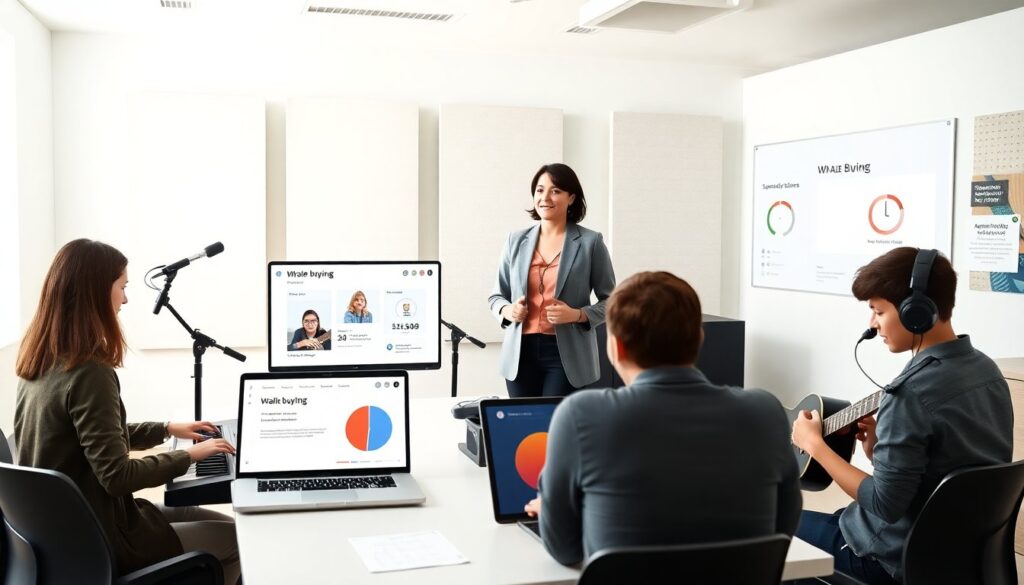
Music education prositesite whale buying gaming appears in searches by parents, teachers, and players. This article explains how music training improves focus, coordination, and pattern recognition. It shows how to pick a good online site for lessons, and it outlines whale buying in gaming so educators and families can plan budgets. The guide uses clear steps and practical examples.
Key Takeaways
- Music education enhances gamers’ focus, coordination, and pattern recognition, improving in-game performance and cognitive skills.
- Choose online music education sites with qualified instructors, balanced live and self-study options, community features, and transparent pricing for the best learning experience.
- Incorporating music lessons helps develop discipline and goal-setting habits, which reduce impulsive spending on in-game purchases or whale buying.
- Educators and parents should explain whale buying mechanics and encourage budgeting by linking music practice goals to controlled spending habits.
- Schools can promote alternatives to whale purchases by rewarding skill and effort through tournaments and digital badges, fostering healthier gaming communities.
- Tracking in-game spending and practice outcomes enables families and educators to align gaming habits with long-term learning and financial goals.
Why Music Education Matters For Gamers, Pros, And Educators
Music education prositesite whale buying gaming links musical study with better game performance. Research shows that regular music lessons improve auditory attention and working memory. These skills help a player track multiple sounds in a game and hold tactical plans in mind. Teachers see students who practice music respond faster to rhythm and timing tasks. Coaches notice improved hand-eye coordination after months of instrument practice. Parents report quieter, more focused practice sessions when children follow structured music lessons.
Music training also builds pattern recognition. Musicians learn to see repeating structures in music. Gamers use the same skill to predict enemy moves and memorize map layouts. Professionals cite pattern skills when they describe rapid strategy formation. Schools and after-school programs that add music classes provide students with cognitive tools that transfer to gaming and study. Local educators can pair short music modules with gaming labs to promote steady improvement.
Music lessons teach discipline and goal setting. A student who practices scales daily learns to set small goals and reach them. A gamer who applies the same plan improves steadily. Educators who present music and gaming as complementary activities help learners form routines. This approach reduces impulsive spending on in-game purchases. Families who value long-term skill growth choose lessons over quick buys.
Music education prositesite whale buying gaming appears in conversations about recruiting and retention. Game teams recruit players who show steady practice and focus. Educators who document musical progress provide evidence of a student’s commitment. That evidence helps students secure scholarships, internships, or team spots. Program leaders who link music practice to measurable gains see higher retention and better outcomes.
Choosing The Right Online Site For Lessons, Practice, And Community
Music education prositesite whale buying gaming searches often include the phrase “best site for lessons.” Buyers should check instructor credentials, lesson formats, and community tools. A good site lists teacher bios, sample lessons, and clear pricing. Parents should prefer platforms that offer trial lessons and easy scheduling. Educators should pick sites that allow progress tracking and group classes.
Look for a site that balances live instruction and self-study. Live lessons give real-time feedback. Self-study modules allow practice between sessions. A strong platform offers short drills that improve timing and pattern work. Gamers benefit from practice that focuses on rhythm, reaction time, and listening. Sites with built-in metronomes and play-along tracks help players train with consistent tempo.
Check community features. A healthy learning site hosts forums, student recitals, and peer feedback. Community spaces let learners ask questions and demonstrate progress. Educators can use these features to run challenges that link music tasks with gaming skills. For example, a weekly timing challenge can reward both music milestones and in-game performance improvements.
Review pricing and refund policies. Transparent pricing prevents surprise charges. Some sites offer subscription tiers and pay-per-lesson options. Families should compare monthly costs with expected lesson frequency. Institutions should ask about group discounts and classroom licenses. A clear refund policy protects buyers from low-quality instruction.
Verify device compatibility and low-latency tools. Lessons must run smoothly on common devices. A site that uses low-latency audio reduces lag in live lessons. Gamers who train audio skills need accurate sound. Platforms that support external microphones and headphones improve lesson quality. Read recent user reviews to confirm performance under real conditions.
Understanding ‘Whale’ Buying In Gaming: What Educators And Parents Should Know
Music education prositesite whale buying gaming users often ask how in-game spending affects learning. “Whale” buying refers to large, frequent purchases by a small group of players. These purchases can shape game economies and social pressure. Parents should know that whale spending can create comparison and urge in younger players.
Educators should explain the mechanics behind whale buying. Games sell limited items, timed offers, and cosmetic upgrades. These items reward status and social recognition. Players who lack strong budgeting skills may make impulse purchases. Teachers can run lessons that connect budgeting lessons with practice goals. For example, save a small amount each week earned by meeting music practice targets. This plan links effort to reward and reduces impulsive spending.
Families can set clear rules about in-game purchases. Parents should require pre-approval for purchases above a set amount. They should use gift cards or family wallets to control spending. Educators can provide templates for family agreements that include practice, screen time, and spending limits. These templates make expectations explicit and reduce conflict.
Schools and clubs can offer alternatives to paid status. They can host in-game tournaments with school-run rewards. They can create digital badges for music milestones that carry recognition within the community. These steps lower the appeal of whale purchases and reward skill and effort.
Finally, track spending and outcomes. Families should review purchase histories and discuss choices. Educators should collect simple surveys on how in-game spending affects study and practice. Data helps programs adjust guidance and support. Clear tracking supports healthier decisions and aligns gaming with learning goals.