
5025155312 is a ten-digit US number, written here as 502-515-5312 in the usual format. No owner is confirmed for it on this page, so the useful thing to do is check it yourself in a few steps, starting with how it reached you.
| Country and format | North American number: area code 502, then 515, then 5312 |
| Area code 502 | Assigned to the Louisville, Kentucky area |
| Toll-free? | No. 800, 833, 844, 855, 866, 877 and 888 are the toll-free codes |
| Is the owner known? | No owner is confirmed here |
| Best first move | Check your own call log and voicemail before searching or calling back |
Step 1: write down how 5025155312 reached you
Before anything else, note whether 5025155312 called, left a voicemail or sent a text, and at what time. Each route points to different explanations. A call that rang once and stopped is often an automated system testing whether a line is live. A voicemail gives you words to work with. A text may include a link, which is the part to be most careful about.
Put the details in your phone’s notes or on paper: date, time, and the first sentence you heard or read. That record helps if you later report the number or ask your carrier about it.
Step 2: read 5025155312 piece by piece
North American numbers have a country code of +1, a three-digit area code, a three-digit exchange and a four-digit line number. In 5025155312 the area code is 502, the exchange is 515 and the line is 5312. Area code 502 has long been tied to Louisville, Kentucky, and the region around it.
An area code tells you where a number was first assigned, not where the caller is sitting today. Mobile numbers move with their owners and internet calling services let a caller choose almost any code, so a 502 number can ring from anywhere.
Step 3: search the digits of 5025155312 in several written forms
People paste numbers into the web in different ways, and a search engine treats each as a different string. Try the number as 5025155312, as 502-515-5312, as (502) 515-5312 and as +1 502 515 5312. Put quotation marks around each so results contain the exact digits.
Read what you find with caution. A page that says a number is “a scammer” may be one person’s guess, and a page that says it belongs to a named company may be mistaken or promotional. Look for several unrelated mentions that describe the same type of call, and treat a single comment as a hint, not proof.
Step 4: decide what to do about 5025155312
If you do not recognise the number and the message was not meant for you, you can simply ignore it. If it claims to be about money, a delivery, a government office or your account, do not use the number it gave you. Look up the organisation yourself and call the contact route printed on a card, a bill or the official site.
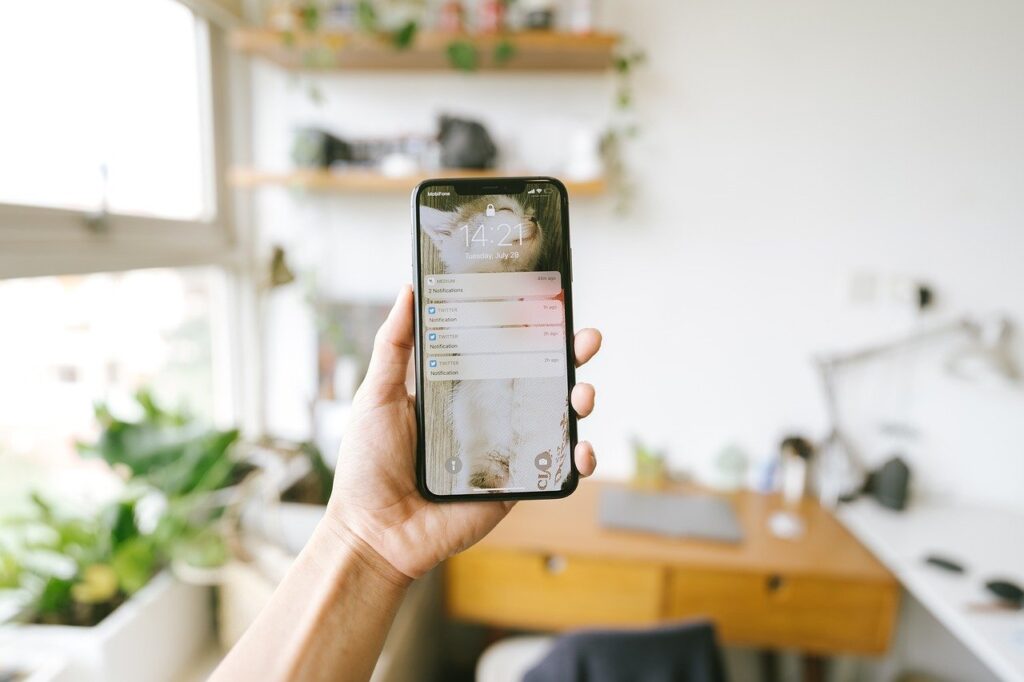
To block, open the call in your Recents list and choose the block option. On iPhone you can also turn on the setting that silences unknown callers, and on many Android phones the dialer has a spam filter you can switch on. Your carrier may offer a free filtering app as well.
Step 5: what to do if you already answered or replied to 5025155312
Answering a call is rarely harmful on its own. The risk starts when you give out information or tap a link. If you shared a password, a one-time code or card details, change the password at once, contact the bank or provider using a number you trust and ask them to watch the account.
If you installed an app because a caller asked, remove it, run your phone’s security check and consider a reset if it had remote access. Anyone who asks you to read out a code sent to your phone is trying to take over an account, so never share one.
Why 5025155312 might look familiar without being local
Many unwanted callers use a trick called neighbour spoofing: they show a number with the same area code and exchange as yours so you are more likely to answer. If 5025155312 looks close to your own number, that closeness is a reason for care, not comfort. The same goes in reverse, because a real call from a business can come from a number in a distant city.
Carriers in the United States and Canada have been rolling out call-signing systems known as STIR/SHAKEN, which let the receiving network see whether the caller’s network vouches for the number shown. Some phones show a “verified” or “spam risk” label as a result. Treat the label as one more clue; it does not prove who is calling and it can miss a bad call or flag a good one.
If 5025155312 left a voicemail or a text
Play the voicemail once and listen for the usual pressure signs: a countdown, a threat, a prize you did not enter, a request for gift cards or a demand to stay on the line. A genuine caller about a real matter can wait while you check, and will have no problem if you phone back through the official number.
For a text, do not tap the link, even to see where it goes. Delete the thread, or report it by forwarding to 7726 first. If the message names a delivery or a bank, open that company’s own app or type its address in the browser yourself and look for the same notice there.
Reporting and keeping a record
You can report unwanted calls to your carrier, and in the United States to the Federal Trade Commission. In Canada the Canadian Anti-Fraud Centre takes reports. Forwarding a spam text to 7726 (SPAM) lets many carriers look at the sender. Reports do not guarantee action, but they build the pattern that lets filters catch the next call.