
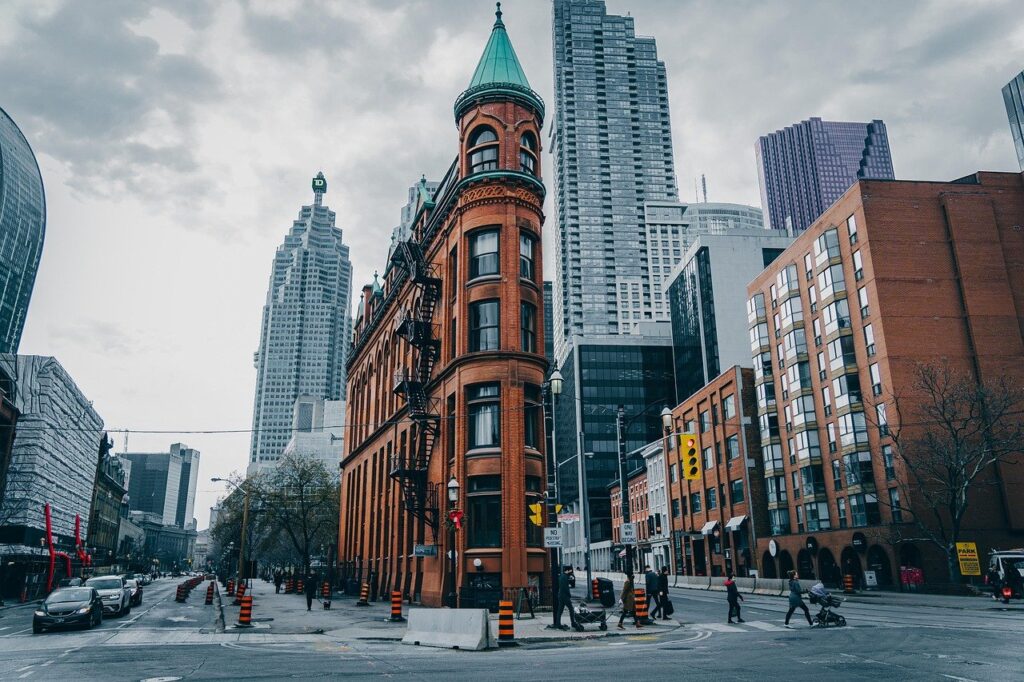
A call or message from 9057953620 arrives from an Ontario-style number: the 905 area code generally covers the suburbs ringing Toronto, such as the Peel, York, Halton and Durham regions, though no owner is confirmed here. Treat it as unknown until the caller proves who they are through a route you chose yourself.
| Number as written | 9057953620, or (905) 795-3620, or +1 905 795 3620 |
| Area code 905 generally means | The Greater Toronto Area outside the city core, plus nearby parts of southern Ontario |
| Exchange and line | 795 and 3620 |
| Is the owner known here? | No |
| Where to report trouble | Your carrier and the Canadian Anti-Fraud Centre |
| What to avoid | Sharing codes, passwords or card numbers with an unexpected caller |
The facts about 9057953620 in one place
This round-up gathers what can be said safely about 9057953620 and sets aside what cannot. The number has ten digits, which is the normal North American length. The first three are the area code, the next three the exchange, the last four the line. Written with the country code it becomes +1 905 795 3620, and phone software may show it in either style.
What is not available here: a business name, a person, an address, a complaint history, or any claim that the line is safe or unsafe. A page that offered those things without evidence would be guessing. What follows is a set of dependable steps for anyone holding a missed call, voicemail or text from this number.
Where 9057953620 sits on the map
The 905 code was created in the 1990s when the original 416 area split to separate Toronto from its surrounding communities. Later, overlay codes were added to the same geography, so numbers beginning 289 and 365 serve much of the same region as 905. In everyday use, 905 is shorthand for the commuter belt around the city.
That regional hint has limits. Canadians keep their numbers when they move, businesses forward calls to cell phones in other provinces, and internet calling services let a number sit anywhere. A 905 number could be a local dentist, a call centre in another country using a borrowed display, or a family member who moved west a decade ago. The prefix narrows your guess a little and proves nothing.
Checks to run on 9057953620 today
Go through these in order, and stop when one gives a clear answer.
- Open your recent calls and messages and see whether 9057953620 appears more than once, and at what times.
- Check voicemail. A real caller normally gives a name, a company and a reason.
- Think about recent activity: an online order, a rental viewing, a job application, a service booking, a hospital or school contact.
- Search the digits in quotation marks, then as (905) 795-3620, then as 905-795-3620. Sites format numbers in different ways.
- If a message names an organisation, find that organisation’s own website by typing its address yourself, and use the number published there.
Be wary of reverse-lookup pages. Some are useful, many are filled with scraped data and guesses, and a few exist to harvest your own number. A result such as “business” or “spam” on one of them is a hint, not a ruling.
Patterns that get reported on calls like 9057953620
This is a general list of what people commonly report about unknown callers in Canada, not a claim about this number. The shapes are familiar: someone says you owe a tax or a fine and must pay at once; a person claims to be from a bank’s fraud team and asks you to move money or read out a code; a caller posing as tech support wants remote access to your computer; a courier text asks you to confirm a parcel through a link; a “relative in trouble” call asks for secrecy and urgent funds.

The common thread is pressure plus a method of payment that is hard to reverse, such as gift cards, cryptocurrency or wire transfers. Real banks and government agencies do not ask for a one-time passcode by phone, and they do not demand payment in gift cards.
How to block and report a number like 9057953620
On an iPhone, open Phone, tap Recents, tap the info icon next to the call and choose to block this caller. On Android, long-press the call in the dialler, then choose block or report spam; menus vary by brand. Many Canadian carriers also offer a spam filter, sometimes free and sometimes as an add-on, so ask yours what it supports.
For reporting, the Canadian Anti-Fraud Centre takes reports of scams and fraud attempts, including ones where you lost nothing, and the national Do Not Call List run through the CRTC handles complaints about unwanted telemarketing. Keep the date, time and what was said. If you did share a code or card number, call your bank on the number printed on the back of the card, then change the passwords you can, and consider placing a fraud alert with the credit bureaus.
Texts need their own handling. Do not tap a link in a message from 9057953620 unless you were expecting it and can match it to a real account, and never reply with STOP just to test whether the number is active, since that can confirm a live line to a sender who does not care about your wishes. Delete the thread, report it as junk through your messaging app, and block the number. Voicemails can be kept for a few days in case you need the details for a report, then removed.
Finally, a note on tone for anyone who has been rattled by a call. Scammers rely on embarrassment. Banks, the police and fraud centres hear these stories every day, and reporting a close call helps others more than staying quiet.
Reader questions about 9057953620
Is 9057953620 a Toronto number?
It uses a 905 code, which generally covers the area around Toronto rather than the city itself. Because numbers move, that is only a loose guide.
Should I call 9057953620 back?
Not on impulse. If a voicemail names a company you do business with, look up the company’s published number and call that instead.
Does a missed call from this number mean anything?
Some scams use a single ring to tempt a return call. A one-time missed call with no message is better ignored than answered with a callback.
Can I find the owner by name?
No reliable public directory covers every number, and no name is confirmed for this one here. Your own records and the caller’s own explanation are the safest sources.